Dealing with a Chlorinator Low Flow Cell Gas Error
Outstanding service | Exclusive pricing | Trusted industry expertise
1
/
of
3
1
/
of
1
MADIMACK
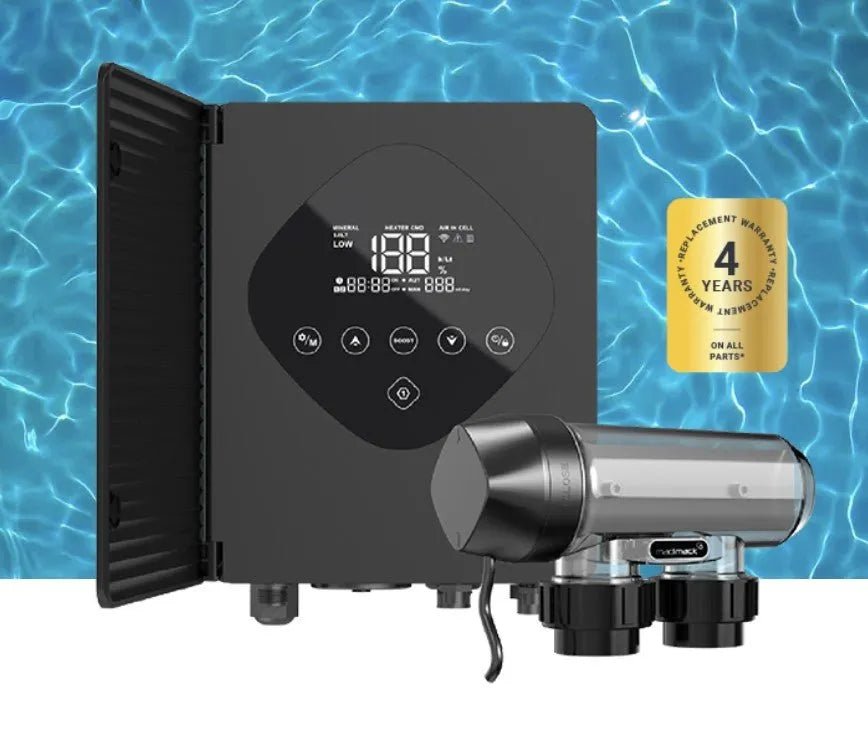
MADIMACK INVERCHLOR CHLORINATOR
InverCHLOR revolutionises pool chlorination with exceptional performance in both salt and mineral pools. This intelligent system ensures accurate, convenient, and efficient pool sanitisation. With adjustable settings and real-time updates on water chemistry, it maintains optimal conditions throughout the varying Australian seasons.
Share

POOL MAINTENANCE GUIDE
Dealing with a Chlorinator Low Flow Cell Gas Error
A chlorinator is a vital component in maintaining clean and safe pool water by consistently distributing chlorine. However, encountering a "Low Flow or Cell Gas" error on your chlorinator can be frustrating and disrupt your pool maintenance routine. Understanding the causes behind this issue and knowing how to address it promptly can help you keep your pool water properly sanitized and enjoyable throughout the swimming season. Here’s a detailed guide on dealing with a chlorinator low flow/ Cell gas error:
Understanding the Low Flow / Cell Gas Error
Cell gas - no flow error: This is an important safety feature as a build-up of chlorine gas in the cell housing can be dangerous.
If your system will not run for more than 2 minutes, try the following to test whether your cartridge in your filter is causing the issue.
-Remove cartridge from filter, replace lid of filter into position.
-Turn on system and run for a few minutes. If the system does not shut down due to cell gas/low flow, then your cartridge either needs a good clean or replacing as it is blocking the water flow, causing a gas build up in the cell housing.
To test the pump is fully operational.
Plug the pump GPO directly into wall power point to bypass the chlorinator. This will test the pumps functionality. Please leave in for at least 5 minutes to allow the pump to change to Low speed (if applicable)
A chlorinator low flow error typically indicates that the flow of water passing through the chlorinator is insufficient for it to operate effectively. This issue can arise due to several factors, each requiring specific attention and troubleshooting steps to resolve.
General Common Causes of Low Flow / Cell Gas Error:
Clogged or Dirty Filter:
A clogged or dirty pool filter restricts water flow, preventing adequate circulation through the chlorinator.
Regularly clean or backwash your pool filter according to manufacturer instructions. Ensure the filter is free from debris, which can impede water flow and trigger the low flow error. See below for additional information in bold
Blocked or Restricted Plumbing Lines:
Blockages or restrictions in the plumbing lines leading to the chlorinator can reduce water flow.
Inspect the plumbing lines for any obstructions, such as debris or mineral deposits. Clear any blockages and ensure the lines are free from restrictions that could hinder water flow.
Air Bubbles in the System:
Air bubbles can disrupt water flow through the chlorinator, triggering a low flow error.
Check for air leaks in the plumbing connections leading to the chlorinator. Tighten loose fittings or replace damaged seals to eliminate air ingress. Properly prime the pump to remove air from the system.
Chlorinator Sizing and Installation Issues:
Improperly sized chlorinator or incorrect installation can lead to inadequate water flow through the system.
Ensure the chlorinator is correctly sized for your pool’s volume and flow rate. Follow manufacturer guidelines for installation, including proper positioning and connection to the pool’s plumbing system.
Pump or Motor Issues:
Malfunctioning pool pump or motor can result in reduced water flow, affecting chlorinator performance.
Check the pool pump and motor for any signs of damage or malfunction. Ensure the pump is operating at the recommended speed and capacity. Repair or replace components as necessary to restore proper water circulation.
Steps to Resolve a Low Flow Error:
Check System/Filter Pressure:
Monitor the pressure gauge on your pool filter system. A significant increase in pressure could indicate a clogged filter, prompting a low flow error. The most common cause of the low flow / cell gas error is a cartridge filter not adequately cleaned. A useful tip is to remove the cartridge from the filter shell. Replace the lid and try running the system If the error disappears this indicates either the cartridge needs a good clean or replacing.
Inspect Chlorinator Settings:
Review the chlorinator settings to ensure they are configured correctly according to your pool’s requirements and manufacturer guidelines.
Perform Regular Maintenance:
Implement a routine maintenance schedule for your pool equipment, including the chlorinator, pump, and filter. Regularly clean and inspect these components to prevent issues that could lead to a low flow error. Be sure to remove any debris from your skimmer and pump baskets to enable the water to flow freely.
Consult a Professional:
If troubleshooting steps do not resolve the low flow error, consider consulting our Pool Service Technicians or the manufacturer for expert assistance. We can provide specialised diagnostics and repairs to address underlying issues effectively.
Dealing with a chlorinator low flow error requires systematic troubleshooting and proactive maintenance to ensure optimal performance of your pool equipment. By understanding the causes behind this issue and taking appropriate steps to resolve it, you can maintain clean, clear, and properly sanitised pool water for your enjoyment and relaxation. Stay proactive, stay informed, and enjoy a hassle-free swimming season with your well-maintained pool!
IS YOUR SALT CELL NEEDING TO BE REPLACED?
Indicators that your salt cell may be nearing the end of its lifespan
Salt cells generally have a lifespan of approx 4-5 years. Below are things to check for if you are experiencing problems.
Is your pool water repeatedly turning green, or do you frequently notice a lack of chlorine in the water?
Does your chlorinator repeatedly display a low salt error despite the fact that you have had your pool water tested and the salt level is accurate?
Are the cell plates accumulating calcium at a much faster rate than before?
These are all indications that your salt cell is approaching the end of its operational life.
Additionally, it’s advisable to inspect the individual plates within the cell. If any appear to be corroded and shorter than the others, it may be time to consider replacing the cell.
If in doubt, bring your cell to Rockingham Pool & Spa for us to inspect for you.
WHY YOUR TOTAL ALKALINITY LEVEL IS SO IMPORTANT
Pool chemistry can feel like a balancing act, and if there’s one level that quietly keeps everything steady, it’s total alkalinity. It doesn’t get as much attention as chlorine or pH, but alkalinity plays a behind-the-scenes role that makes pool care easier, water more comfortable, and equipment longer-lasting.
For pool owners in Australia — where heat, sunlight, and heavy pool use are common — keeping alkalinity in range helps prevent constant chemical adjustments and surprise water issues.
What Alkalinity Actually Does
Total alkalinity measures the water’s ability to resist sudden changes in pH. You can think of it as a buffer that keeps your pool chemistry stable.
Without proper alkalinity, pH levels can swing quickly. One day the water is balanced, the next day it’s irritating to swim in or hard to manage. When alkalinity is correct, pH changes happen slowly and predictably, which makes routine maintenance much simpler.
Why Alkalinity Matters in Everyday Pool Care
It Keeps pH Stable
When alkalinity is too low, pH can bounce up and down rapidly. That makes it harder to keep your water comfortable and safe. When alkalinity is balanced, pH stays steady and requires fewer adjustments.
It Protects Your Equipment
Unbalanced water doesn’t just affect swimmers — it affects your pool system too. Low alkalinity can make water corrosive, which may damage surfaces, metal components, and pipework over time. High alkalinity can cause scaling and cloudy water. Both situations increase maintenance and repair costs.
It Helps Your Sanitiser Work Properly
Chlorine performs best in stable water conditions. When alkalinity is in range, your sanitiser can do its job efficiently instead of fighting constant chemistry changes.
It Makes Water More Comfortable
Balanced alkalinity supports comfortable pH levels. That means less eye irritation, less skin dryness, and a more pleasant swimming experience overall.
What Levels Should Look Like
For most pools, total alkalinity should sit between 80 and 120 parts per million (ppm). Staying within this range helps maintain stability without encouraging scale formation.
If levels drift outside this range, other parts of your water balance often follow — which is why alkalinity is usually adjusted before pH during servicing.
Signs Your Alkalinity May Be Out of Balance
You might notice:
pH levels that are difficult to control
Cloudy or dull-looking water
Scaling on surfaces or equipment
Increased chemical use
Irritation after swimming
These are common signs that your water is struggling to stay stable.
Keeping Alkalinity in Check
Managing alkalinity is straightforward with regular attention:
Test your water weekly
Adjust alkalinity before correcting pH
Follow recommended dosing amounts carefully
Maintain a consistent maintenance routine
Small, regular adjustments are far easier than correcting major imbalances later.
The Takeaway
Alkalinity may not be the most talked-about part of pool care, but it quietly keeps everything else working properly. It stabilises your water, protects your equipment, supports effective sanitation, and helps your pool stay clear and comfortable.
When alkalinity is in range, pool care feels predictable. When it isn’t, everything becomes harder than it needs to be. Keeping it balanced is one of the simplest ways to make pool ownership easier and more enjoyable.
1
/
of
6